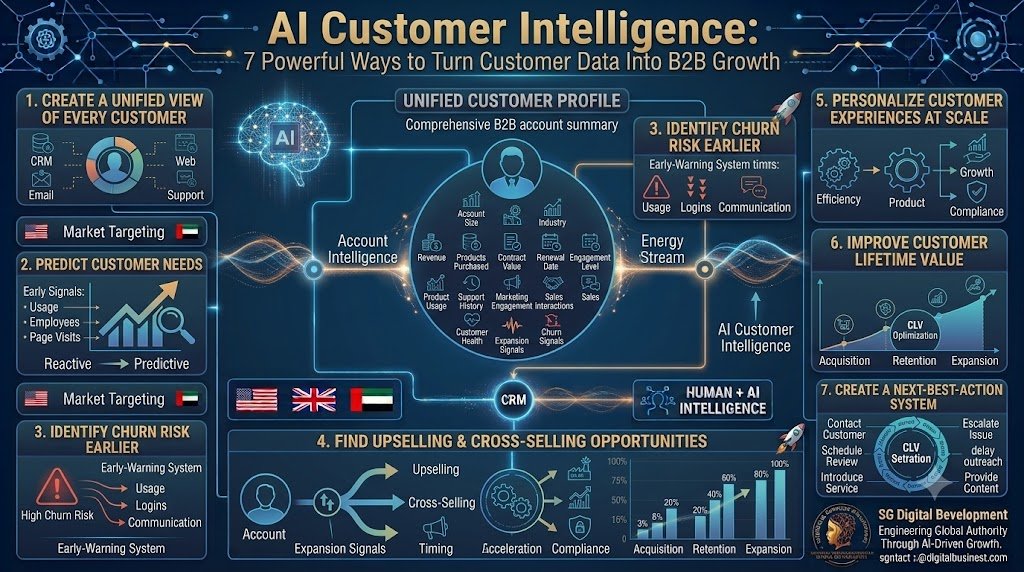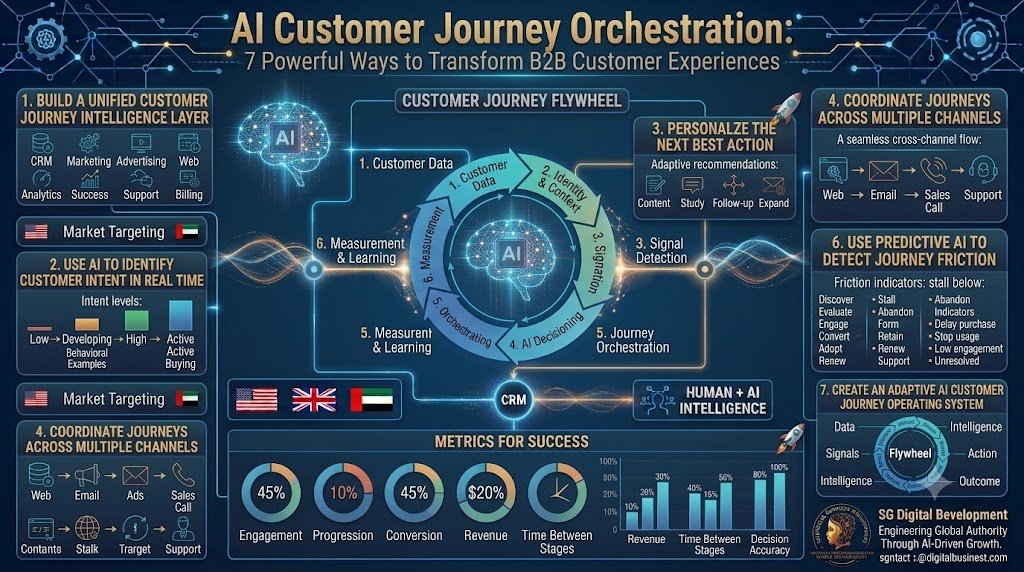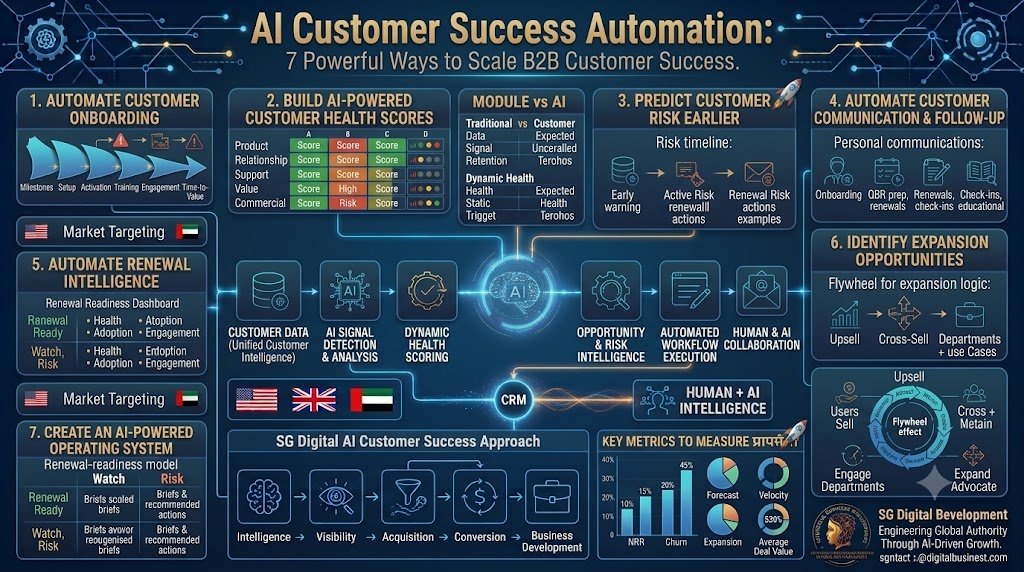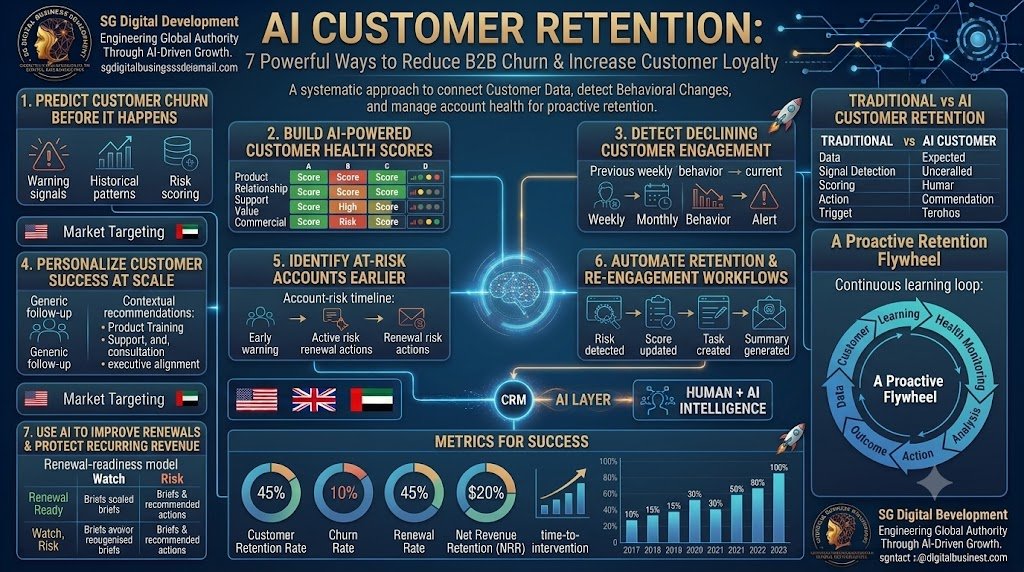
AI Account Intelligence: 7 Powerful Ways to Identify & Grow B2B Accounts.
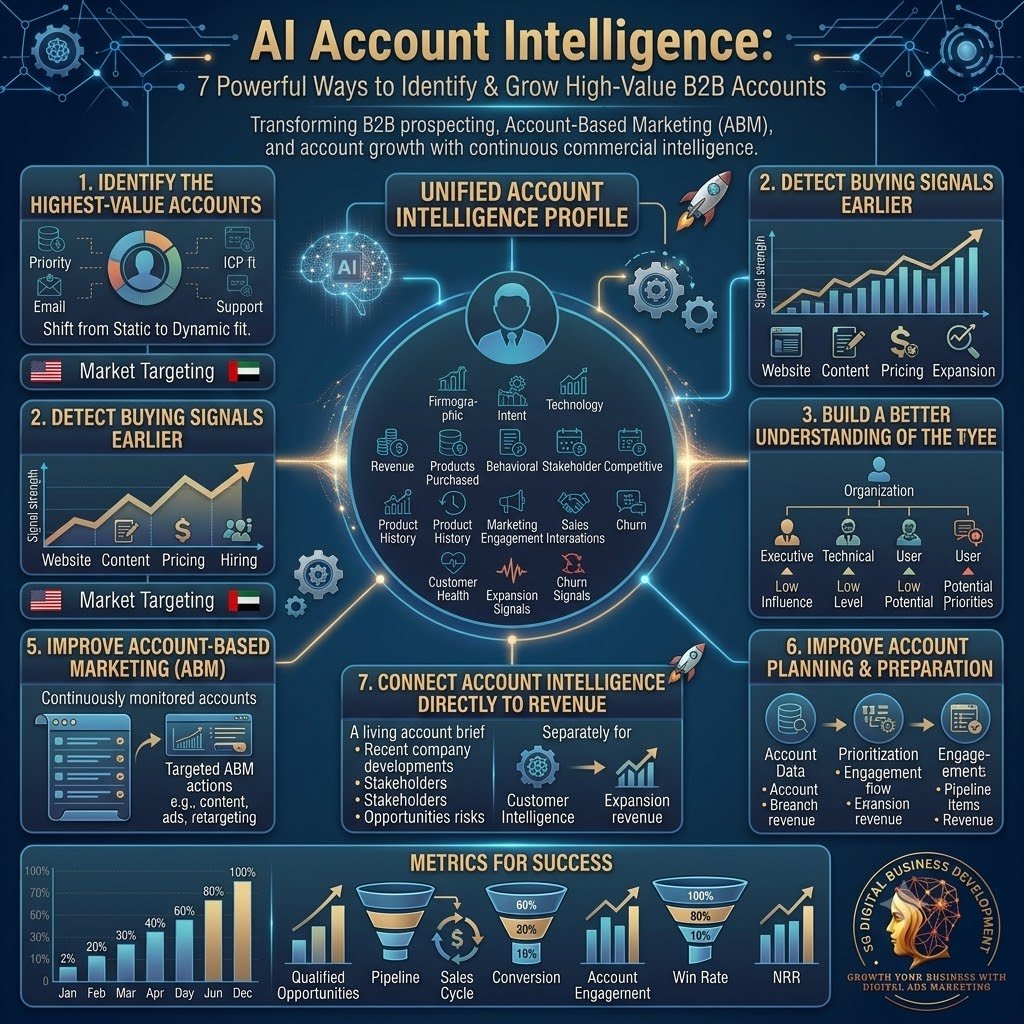
AI Account Intelligence: 7 Powerful Ways to Identify & Grow High-Value B2B Accounts Introduction B2B companies rarely have a shortage of potential accounts. The real challenge is knowing which accounts deserve attention now. A sales team may have thousands of companies in its database. Marketing may have hundreds of target accounts. Business development representatives may have hundreds of contacts available for outreach. But not every account has the same potential. Some accounts fit the ideal customer profile but are not actively looking for a solution. Some are actively researching a problem but have not yet engaged with the company. Some have recently hired a new executive, launched a new initiative, expanded into a new market, or changed their technology stack. Others may already be customers with significant expansion potential. The difference is timing, context, intent, fit, and opportunity. This is where AI account intelligence becomes increasingly important. AI account intelligence combines company information, behavioral signals, engagement data, buying intent, technology information, stakeholder information, and predictive analysis to create a more complete picture of a B2B account. Instead of asking only: “Is this company a potential customer?” businesses can ask: “Why does this account matter, what is happening inside the account, how strong are the buying signals, who may influence the decision, and what should we do next?” That shift can transform B2B prospecting and account-based growth. Recent 2026 account-intelligence research describes the category as combining firmographic, technographic, contact, engagement, and intent data into an account-level view that can be prioritized and activated through CRM and revenue workflows. For SG Digital, this creates an important connection between AI visibility, lead generation, lead qualification, sales intelligence, customer intelligence, and revenue growth. What Is AI Account Intelligence? AI account intelligence is the use of artificial intelligence, company data, behavioral signals, intent data, predictive analytics, and automation to understand, prioritize, and engage B2B accounts. Traditional account research may involve manually checking: That research can provide useful information. But it can also become outdated quickly. AI account intelligence introduces a more dynamic approach. Instead of creating a static account profile once, the system can continuously analyze changing signals and help determine which accounts deserve attention. An account intelligence profile may include: The goal is not to collect information simply because it exists. The goal is to transform information into commercial intelligence. Why AI Account Intelligence Matters for B2B Growth B2B buying is increasingly complex. A major purchase may involve: At the same time, buying activity can happen across many channels. Potential buyers may: This creates an enormous amount of potential signal. The problem is that sales teams cannot manually analyze every signal from every account. AI account intelligence can help convert this complexity into a prioritized account view. A modern account intelligence system can help answer: Who should we target? Based on: Who should we target now? Based on: Who should we contact? Based on: What should we say? Based on: What should we do next? Based on: This transforms account targeting from a static list into a dynamic decision system. AI Account Intelligence vs Traditional Account Research Traditional account research remains useful. However, manual research can become difficult to maintain when account volumes increase. Traditional Account Research AI Account Intelligence Manual AI-assisted Often periodic Continuously updated Static account profiles Dynamic account profiles Individual research Large-scale analysis Human prioritization AI-assisted prioritization Limited signals Multiple signal sources Reactive Predictive Research-heavy Intelligence-driven Often disconnected from workflows Connected to CRM and activation The objective is not to eliminate human research. It is to make human research more focused. Instead of spending thirty minutes determining whether an account is worth pursuing, a sales representative can begin with an AI-generated account intelligence profile and spend more time understanding the actual business opportunity. How AI Account Intelligence Works A practical system can be organized into several layers. 1. Account Data The first layer contains basic company information. This can include: This establishes the basic account profile. 2. Technology Intelligence Technographic information can reveal the technology environment surrounding an account. For example: Technology information can help identify compatibility, replacement opportunities, integration opportunities, and potential business requirements. 3. Behavioral Intelligence Behavioral signals may include: These signals can indicate changing levels of interest. 4. Intent Intelligence Intent signals can indicate that an account may be actively researching a problem, category, competitor, or solution. However, intent should not automatically be interpreted as a guaranteed buying decision. Intent is a signal. It becomes more useful when combined with fit, engagement, account context, and other evidence. 5. Stakeholder Intelligence B2B deals involve people. AI account intelligence can help identify: Understanding the buying committee can make account engagement more precise. 6. Predictive Intelligence AI can then analyze the combined signals. Potential predictions include: 7. Activation Finally, intelligence should lead to action. For example: High-fit + high-intent account → Sales research task High-fit + strong engagement → Personalized outreach Existing customer + expansion signals → Account expansion workflow Strategic account + leadership change → Account plan update This final layer is critical. Intelligence that never changes an action has limited commercial value. 7 Powerful Ways AI Account Intelligence Can Drive B2B Growth 1. Identify the Highest-Value Accounts The first major application is account prioritization. Many businesses use an ideal customer profile. For example: B2B SaaS company, 100–1,000 employees, United States, technology sector, recurring revenue model. That provides useful targeting criteria. But thousands of companies may fit that description. AI account intelligence can add another layer. Instead of asking: “Does this account fit our ICP?” the system can ask: “Which ICP accounts are showing signals that make them especially relevant right now?” AI can combine: This creates a more dynamic priority model. Example Imagine 2,000 companies fit the basic ICP. AI identifies 150 accounts that also show: The sales team now has a more focused account universe. The objective is not simply generating more prospects. It is allocating limited sales capacity more intelligently. 2. Detect Buying Signals Earlier Buying signals can appear before a buyer contacts sales. An account